Introduction
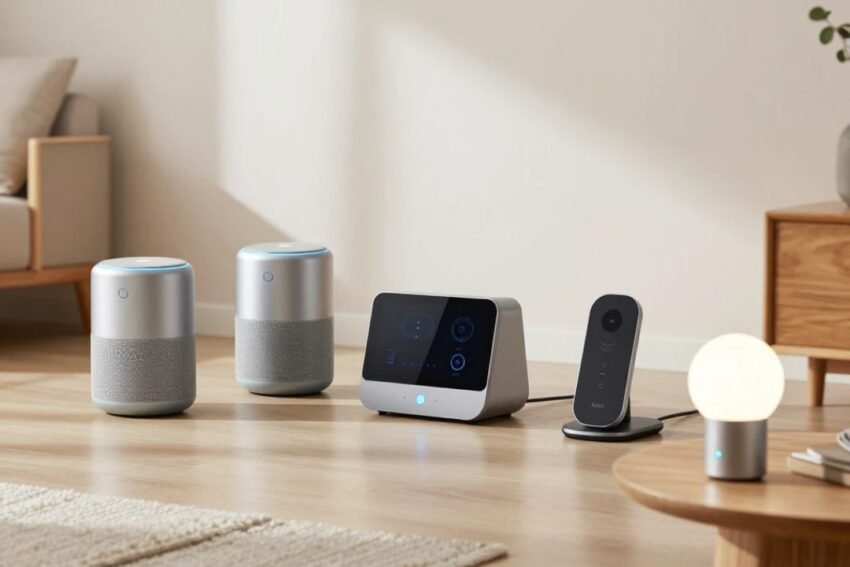
Technology has become an essential part of modern life, and smart gadgets are leading this digital transformation. From smartphones and smartwatches to AI-powered home assistants and wearable fitness trackers, today’s tech gadgets are designed to make life more convenient, productive, and connected. These innovative devices are not only changing how we communicate but also how we work, learn, travel, shop, and manage our health.
The rapid advancement of technologies such as Artificial Intelligence (AI), the Internet of Things (IoT), 5G connectivity, and cloud computing has accelerated the development of smarter and more efficient gadgets. Consumers now expect devices that offer seamless connectivity, intelligent automation, and personalized experiences.
In this article, we’ll explore how the tech gadgets revolution is transforming everyday life, examine the most influential smart devices, discuss their benefits and challenges, and look at future trends shaping the next generation of technology.
What Are Smart Tech Gadgets?
Smart tech gadgets are electronic devices equipped with advanced computing capabilities, internet connectivity, sensors, and artificial intelligence. Unlike traditional electronic devices, smart gadgets can collect data, communicate with other devices, and perform automated tasks.
Examples of smart gadgets include:
- Smartphones
- Smartwatches
- Wireless earbuds
- Smart speakers
- Smart home security systems
- Fitness trackers
- Smart TVs
- Robot vacuum cleaners
- Smart thermostats
- Smart doorbells
These devices are designed to simplify daily tasks while improving convenience and efficiency.
Why Smart Gadgets Are Becoming Essential
The growing popularity of smart gadgets is driven by several factors.
Convenience
Smart devices automate repetitive tasks and allow users to control various functions with minimal effort.
Connectivity
Most gadgets can connect with smartphones, cloud services, and other smart devices, creating a seamless digital ecosystem.
Time Saving
Automation reduces manual work, allowing users to complete tasks faster.
Better Productivity
Technology helps people organize schedules, communicate efficiently, and manage work more effectively.
Personalized Experiences
Artificial Intelligence enables gadgets to learn user preferences and deliver customized recommendations.
Smartphones: The Center of Digital Life
Smartphones remain the most widely used tech gadget in the world.
Modern smartphones serve multiple purposes, including:
- Communication
- Photography
- Online banking
- Entertainment
- Navigation
- Mobile payments
- Remote work
- Education
Features such as AI-powered cameras, facial recognition, voice assistants, and 5G connectivity continue to make smartphones even more powerful.
For many people, the smartphone has become the primary gateway to the digital world.
Smartwatches and Fitness Trackers
Wearable technology has transformed personal health and fitness.
Smartwatches and fitness trackers monitor:
- Heart rate
- Blood oxygen levels
- Sleep quality
- Daily activity
- Calories burned
- Stress levels
- Workout performance
Many devices also provide:
- Call notifications
- Text messaging
- GPS navigation
- Contactless payments
- Emergency assistance
These features encourage healthier lifestyles while keeping users connected.
Smart Home Devices
Smart homes are becoming increasingly popular thanks to connected devices that automate household tasks.
Popular smart home gadgets include:
Smart Speakers
Voice-controlled assistants allow users to play music, answer questions, control appliances, and manage schedules.
Smart Lighting
Users can control lighting remotely, adjust brightness, and automate lighting schedules.
Smart Thermostats
These devices optimize energy usage by automatically adjusting home temperatures.
Smart Doorbells
Video doorbells improve home security by allowing homeowners to monitor visitors from anywhere.
Smart Security Cameras
AI-powered cameras detect motion, recognize faces, and send real-time alerts.
Together, these devices improve convenience, energy efficiency, and home security.
Wireless Earbuds and Audio Technology
Wireless earbuds have become one of the fastest-growing consumer electronics categories.
Modern earbuds offer:
- Noise cancellation
- Voice assistant integration
- High-quality audio
- Long battery life
- Wireless charging
- Touch controls
They provide a convenient listening experience for work, travel, fitness, and entertainment.
Smart TVs and Home Entertainment
Entertainment technology has evolved significantly in recent years.
Smart TVs allow users to:
- Stream movies
- Watch live sports
- Browse the internet
- Access gaming platforms
- Use voice commands
- Mirror smartphone screens
High-resolution displays, HDR technology, and AI-powered image enhancement deliver immersive viewing experiences.
AI-Powered Personal Assistants
Artificial Intelligence has become a core feature of modern smart gadgets.
AI assistants can:
- Set reminders
- Answer questions
- Control smart home devices
- Translate languages
- Schedule appointments
- Provide weather updates
- Manage shopping lists
These assistants continue becoming more intelligent through machine learning and natural language processing.
Smart Health Devices
Healthcare technology has improved dramatically with smart medical gadgets.
Popular devices include:
- Smart blood pressure monitors
- Glucose monitors
- Digital thermometers
- ECG devices
- Smart scales
- Sleep monitors
These gadgets help individuals monitor their health while providing valuable data to healthcare professionals.
Remote health monitoring has become increasingly important in preventive medicine.
Smart Kitchen Appliances
Technology is transforming modern kitchens.
Examples include:
- Smart refrigerators
- Smart coffee makers
- Wi-Fi ovens
- Smart air fryers
- Intelligent dishwashers
These appliances can be controlled remotely through smartphone apps and often include energy-saving features.
Some refrigerators even monitor food inventory and suggest recipes.
Robot Vacuum Cleaners
Cleaning technology has advanced significantly through robotic automation.
Robot vacuums can:
- Navigate rooms independently
- Avoid obstacles
- Schedule cleaning sessions
- Return to charging stations automatically
- Map entire homes
These devices save time while maintaining clean living spaces with minimal human effort.
Smart Security Systems
Home security has become more advanced with intelligent monitoring systems.
Modern security gadgets include:
- Motion sensors
- Smart locks
- Video surveillance
- Window sensors
- AI-powered facial recognition
Users receive instant alerts through mobile apps, allowing them to monitor their homes from anywhere.
Benefits of Smart Gadgets
Smart devices offer numerous advantages.
Increased Productivity
Automation allows users to complete daily tasks more efficiently.
Better Communication
Video calls, messaging apps, and smart devices make staying connected easier than ever.
Improved Health Monitoring
Wearables provide real-time health insights that encourage healthier lifestyles.
Enhanced Entertainment
Streaming services, gaming devices, and smart TVs create immersive digital experiences.
Greater Home Security
Connected security systems provide continuous monitoring and remote access.
Energy Efficiency
Smart appliances optimize electricity usage and reduce utility costs.
Challenges of Smart Gadgets
Despite their many benefits, smart devices also present several challenges.
Privacy Concerns
Many devices collect user data to improve functionality.
Users should understand privacy settings and data-sharing policies.
Cybersecurity Risks
Connected devices may become targets for hackers if not properly secured.
Strong passwords and regular software updates are essential.
High Costs
Premium smart gadgets can be expensive for some consumers.
Compatibility Issues
Different brands may not always integrate seamlessly with one another.
Electronic Waste
Frequent device upgrades contribute to growing electronic waste, highlighting the need for recycling and sustainable manufacturing.
Emerging Technologies Driving Smart Gadgets
Several technologies continue accelerating innovation.
Artificial Intelligence (AI)
AI enables devices to understand user behavior and automate tasks intelligently.
Internet of Things (IoT)
IoT connects multiple devices into a single network, allowing seamless communication.
5G Connectivity
Faster internet speeds improve cloud computing, gaming, and real-time communication.
Cloud Computing
Cloud services enable data synchronization across multiple devices.
Machine Learning
Devices become smarter over time by analyzing user behavior and preferences.
Future Trends in Smart Gadgets
The future of smart devices looks incredibly promising.
Expected developments include:
- AI-powered personal robots
- Augmented Reality (AR) glasses
- Advanced wearable healthcare devices
- Smart vehicles
- Fully connected smart homes
- Brain-computer interfaces
- Foldable and flexible displays
- Sustainable and energy-efficient electronics
These innovations will continue making technology more intelligent, personalized, and integrated into daily life.
Tips for Choosing the Right Smart Gadgets
Before purchasing a smart device, consider the following:
- Identify your specific needs and budget.
- Check compatibility with your existing devices.
- Compare features, battery life, and performance.
- Read customer reviews and expert opinions.
- Prioritize devices with strong security features and regular software updates.
- Choose products from reputable brands that provide long-term support.
Making informed decisions ensures you get the best value and functionality from your investment.
Conclusion
The tech gadgets revolution is transforming everyday life by making technology smarter, faster, and more connected than ever before. From smartphones and smartwatches to AI-powered home assistants, wearable health devices, and intelligent home security systems, these innovations are improving how we communicate, work, learn, and manage our daily routines.
Emerging technologies such as Artificial Intelligence, the Internet of Things, 5G, and cloud computing continue to drive the development of increasingly sophisticated smart devices. While challenges like privacy concerns, cybersecurity risks, and electronic waste remain, ongoing advancements are making technology more secure, sustainable, and user-friendly.
As smart gadgets become even more integrated into homes, workplaces, and cities, they will play a central role in shaping the future of everyday life. By understanding these innovations and choosing devices that match your needs, you can take full advantage of the convenience, efficiency, and opportunities offered by the ever-evolving world of smart technology.